1001 W Indiantown Rd, Ste 106, Jupiter, FL 33458

Are veneers reversible if I change my mind?

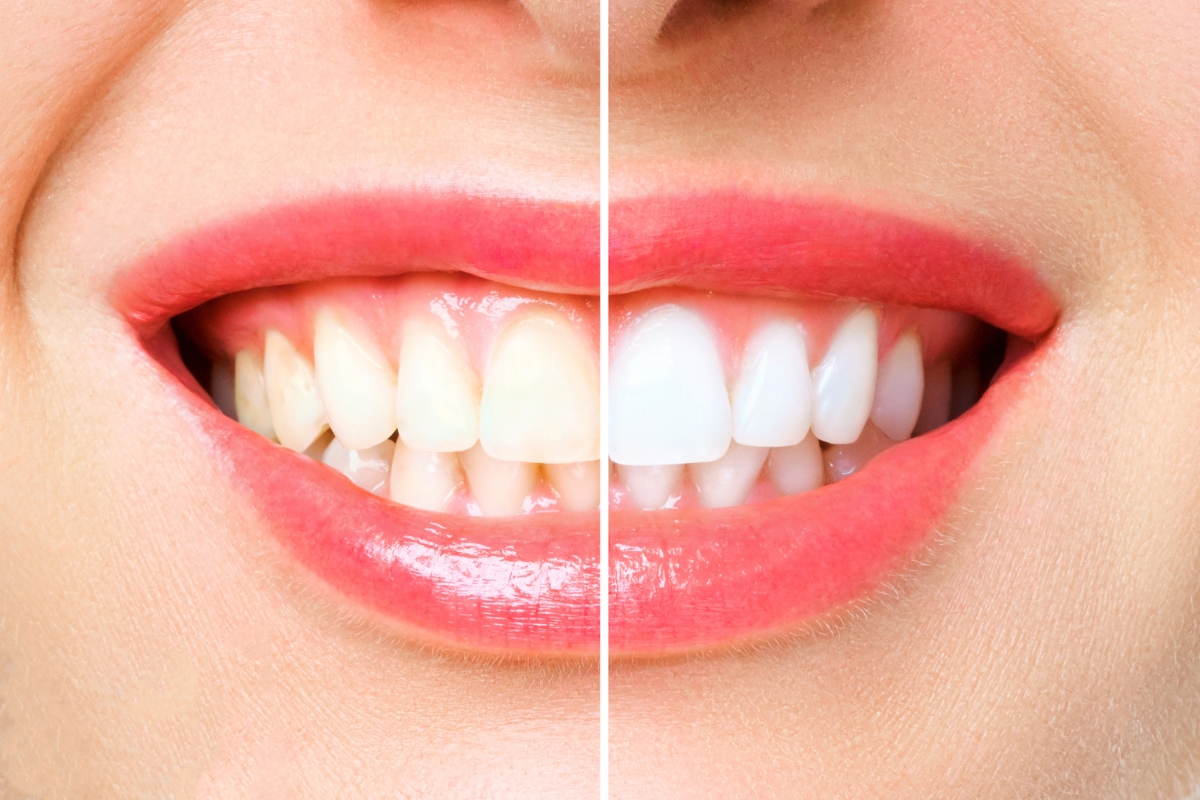
Changing your smile is a significant step that often raises questions about the long-term commitment. For many, the idea of thin, custom-made shells masking imperfections is incredibly appealing. However, a common hesitation arises: what happens if you change your mind down the road? Understanding the physical reality of how these restorations are applied helps clarify why this choice is rarely something you can simply undo.
Most people looking into this treatment want to address chips, gaps, or deep staining. While the results can be life-changing, the process involves altering the natural structure of your teeth. This change is the primary reason why the procedure is considered a permanent dental solution rather than a temporary fix.
The Reality of Tooth Preparation
The reason reversibility is a complex topic lies in the preparation phase. To ensure the porcelain or composite shell sits flush with your gum line and doesn’t look bulky, a small amount of enamel must be removed from the front of the tooth. Enamel is the hard, protective outer layer of your teeth, and unlike skin or hair, it does not grow back once it is gone.
This thinning of the enamel is necessary to create a strong bonding surface. Without this step, the restoration would not adhere correctly and could interfere with your bite. Because your teeth are left with less protection, they will always need a covering—whether that is a replacement veneer or a dental crown—to stay healthy and functional.
Traditional vs. Minimal-Prep Options
There are different approaches to this procedure. Traditional porcelain versions require the most enamel removal, often around 0.5 millimeters. On the other hand, “no-prep” or minimal-prep alternatives exist. These are much thinner and require very little, if any, alteration to the tooth.
While minimal-prep options might sound reversible in theory, the bonding process still involves etching the tooth surface. Even if the shells are removed, the underlying teeth may not look or feel exactly as they did before. It is always best to consult with a cosmetic dentist in Jupiter to determine which method best fits your specific dental anatomy and goals. Modern Dentistry of Jupiter focuses on preserving as much natural tooth structure as possible while achieving the aesthetic you desire.
Longevity and Future Maintenance
Since the procedure isn’t reversible, it’s helpful to look at how long these restorations actually last. Research published in the Journal of Dentistry indicates that with proper care, porcelain veneers have a high success rate, often lasting 10 to 15 years or longer. They are durable, but they aren’t indestructible.
Over time, you might encounter wear and tear, or your gum line might naturally shift. When a veneer chips or reaches the end of its lifespan, it must be replaced. You cannot simply have it removed and leave the tooth bare because the exposed dentin would be highly sensitive to temperature and prone to decay.
Keeping Your Investment Secure
Maintaining your new smile with veneers involves the same habits that keep natural teeth healthy. This includes:
- Regular professional cleanings and checkups.
- Avoid using your teeth as tools to open packaging.
- Wearing a nightguard if you have a habit of grinding or clenching.
- Use non-abrasive toothpaste to avoid scratching the polished surface.
Why Patients Rarely Look Back
While the “permanence” of the procedure can feel daunting, the vast majority of patients are thrilled with their results. The high level of customization available today means your smile can look incredibly natural. At Modern Dentistry of Jupiter, the focus is on creating a look that complements your facial features and skin tone.
Most people find that the confidence gained from a bright, symmetrical smile far outweighs the concern about reversibility. Instead of wanting to return to their original teeth, patients are usually more focused on maintaining their new look for as many years as possible.
The best way to feel comfortable with a permanent dental change is through clear communication. During a consultation, every aspect of the process, from the initial digital scans to the final placement, should be explained. This allows you to visualize the outcome before any physical changes are made.
If you are still on the fence about the treatment’s permanence, there are other paths to explore. Professional whitening or orthodontic solutions, such as clear aligners, can sometimes achieve your goals without removing enamel. A cosmetic dentist in Jupiter can help you weigh these alternatives against the immediate, dramatic results of veneers.
People Also Ask
What happens if a veneer falls off?
If a restoration becomes loose or falls off, the underlying tooth will likely feel very sensitive to air and temperature. You should keep the piece safe and contact your dentist immediately. In many cases, it can be rebonded, provided the tooth underneath is still healthy.
Can I get cavities with veneers?
Yes. While the porcelain itself cannot decay, the underlying tooth structure and the edges can still develop cavities. Maintaining excellent oral hygiene is essential to prevent decay from compromising the restoration.
Do veneers stain like natural teeth?
Porcelain is highly resistant to stains from coffee, tea, and red wine. However, the composite resin used for bonding or for composite veneers can pick up stains over time. To keep everything looking uniform, it’s a good idea to rinse your mouth with water after consuming dark-colored foods or drinks.
Is the procedure painful?
Most patients experience little to no discomfort. Local anesthesia is typically used during the preparation phase to ensure you are relaxed. Afterward, some minor sensitivity to cold or heat is normal for a few days as your mouth adjusts to the new restorations.
How do I know if I’m a good candidate?
Ideal candidates have healthy teeth and gums and enough enamel to support the bonding process. If you have significant decay or gum disease, those issues will need to be addressed first. A thorough exam will determine if this is the right path for your oral health.