1001 W Indiantown Rd, Ste 106, Jupiter, FL 33458

Can Dr. M. Casel fix small, “pegged” teeth with conservative cosmetic options?

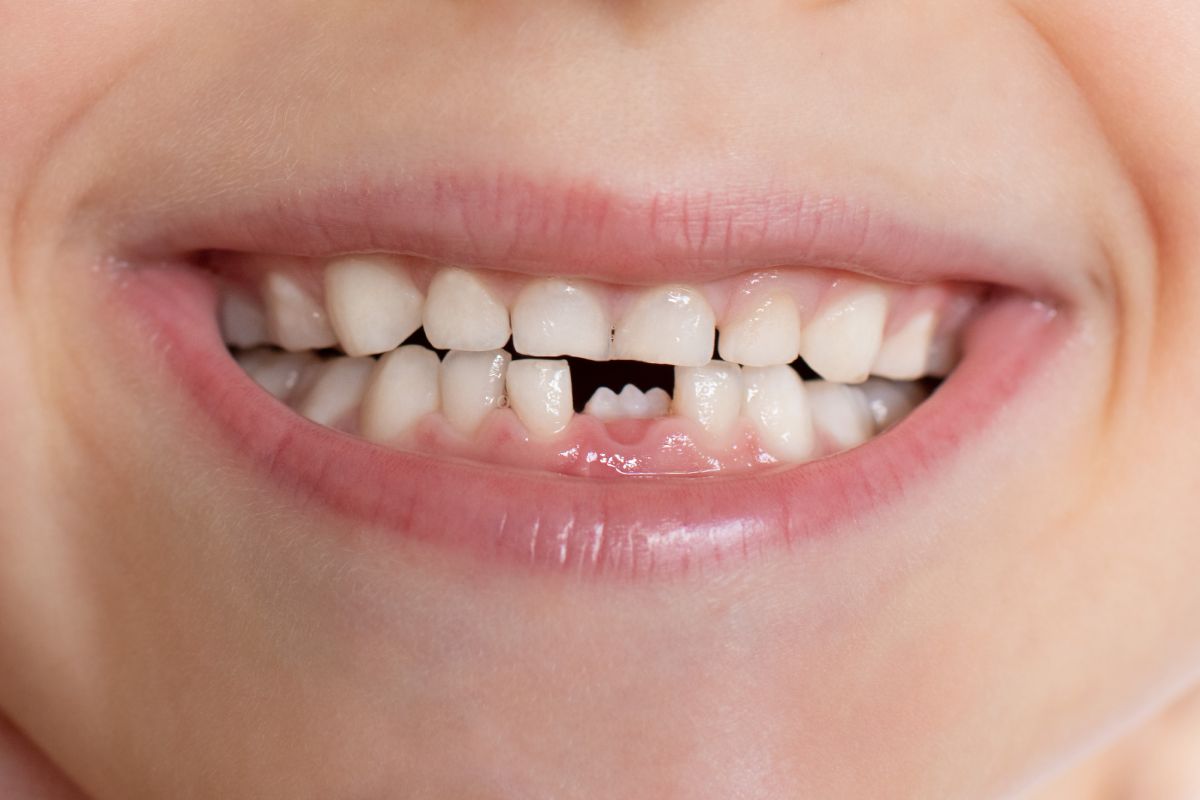
Pegged teeth are more common than most people realize. That small, cone-shaped lateral incisor sitting beside your front teeth, noticeably narrower than everything around it, is something a lot of people notice every time they look in the mirror. For some, it is a minor thing. For others, it quietly chips away at their confidence, showing up in every photo, every smile, every conversation.
The good news is that fixing pegged teeth does not require dramatic dental work. There are conservative cosmetic options that can reshape, rebuild, and blend those teeth into a smile that looks completely natural, without touching teeth that do not need it.
Here is what you need to know before your first consultation.
What Are Pegged Teeth and Why Do They Happen?
Pegged teeth, most often the upper lateral incisors, are a dental condition where one or more teeth develop smaller and more tapered than normal. The result is a tooth that looks undersized, sometimes almost pointed, sitting in a gap that appears too wide for it.
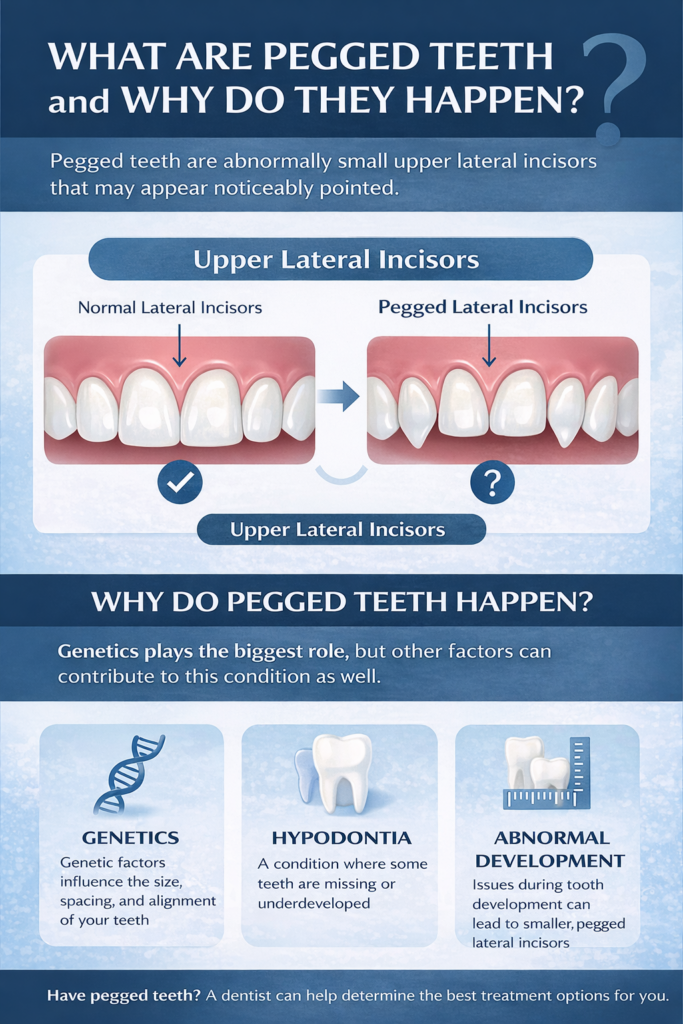
This condition is almost always developmental in origin. Genetics plays the biggest role. Some patients also have pegged teeth as part of a condition called hypodontia, in which certain teeth either fail to develop fully or fail to develop at all. According to research published in the Journal of Dental Research, the upper lateral incisor is the second most commonly missing or malformed permanent tooth, affecting roughly two percent of the population.
For patients exploring their options, a cosmetic dentist in Jupiter with experience in smile design can evaluate the size, spacing, and alignment of your teeth to recommend the most conservative path forward.
That evaluation matters more than most people expect, and the next section explains why.
Conservative Options That Actually Work
Cosmetic Crowns
In cases where a pegged tooth requires more significant reinforcement or a total change in shape, metal-free porcelain crowns offer a robust solution. Unlike older crowns that often showed a dark metal line at the gumline, these modern restorations are made of 100% high-quality dental porcelain. They provide the strength needed for biting while mimicking the translucency and light-reflecting properties of real enamel.
Porcelain Veneers
For patients looking for a longer-lasting, more polished result, porcelain veneers offer a step up from bonding. A veneer is a thin shell of dental porcelain custom-fabricated to fit over the front surface of the tooth. It adds width, corrects the shape, and produces a result that is virtually indistinguishable from a natural tooth.
Veneers require minimal tooth preparation, particularly for pegged teeth, where the small size of the original tooth often means very little enamel needs to be reduced. The final result is durable, stain-resistant, and designed to complement the full smile rather than stand out from it.
Dr. M. Casel, who focuses on cosmetic dentistry at the Jupiter practice, approaches veneer cases with close attention to proportion, color, and the interaction of the restored teeth with the rest of the smile. That attention to the overall picture is what separates a natural-looking result from one that looks obviously dental.
Clear Aligner Therapy (Invisalign®)
Sometimes, the best conservative approach starts with moving the teeth into their ideal positions. If your small teeth have caused surrounding teeth to shift or tilt, using Invisalign® can create the perfect amount of space for a future bonding or veneer treatment. By aligning the “foundations” first, the final cosmetic result looks more harmonious and requires less alteration of the tooth itself.
How the Right Treatment Is Chosen
No two pegged teeth are exactly the same. The choice between bonding, veneers, or a combination of both depends on several factors.
Source: @DrAlexRubinov
- How small and tapered the tooth is
- The condition of the surrounding teeth and gumline
- Whether there are gaps or spacing issues that need to be addressed alongside the shape
- The patient’s long-term goals for their smile
A thorough cosmetic evaluation, including photographs, digital imaging, and a conversation about what you actually want your smile to look like, gives your dentist the full picture before any treatment begins. Patients at the Jupiter practice can also request a virtual consultation to get a sense of their options before coming in.
Pegged teeth are one of the most straightforward cosmetic concerns to address. The treatment options are proven, the process is comfortable, and the results tend to exceed what most patients expected going in.
If you have been putting this off, now is a good time to stop and book a consultation instead. A cosmetic dentist Jupiter can take a look, walk you through your options honestly, and give you a clear sense of what your smile could look like. Call the office or book online to get started.
People Also Ask
At what age can pegged teeth be treated with veneers or bonding?
Most dentists recommend waiting until the jaw and surrounding teeth have fully developed, which is typically around age 18. Bonding can sometimes be done earlier as a temporary solution, with a more permanent restoration placed once development is complete.
Do pegged teeth affect bite or chewing function?
In most cases, pegged lateral incisors do not significantly affect chewing since they are not primary biting teeth. However, if the size difference is substantial, there can be mild spacing or bite issues that your dentist will assess during the evaluation.
How long does composite bonding last on a pegged tooth?
With proper care, composite bonding typically lasts between five and ten years before it may need to be touched up or replaced. Avoiding habits like biting nails, chewing ice, or using teeth as tools helps extend the lifespan of the bonding material.
Is there any pain involved in treating pegged teeth?
Neither bonding nor veneer preparation for pegged teeth typically requires anesthesia, as minimal to no enamel removal is involved. Most patients find the process comfortable from start to finish.
Can Invisalign or orthodontics help with pegged teeth?
Orthodontic treatment is sometimes recommended first if there are spacing or alignment issues around the pegged tooth. Once the teeth are in the right position, a bonding or a veneer is placed to correct the size and shape. Your dentist will advise on the right sequence based on your specific situation.