1001 W Indiantown Rd, Ste 106, Jupiter, FL 33458

Can Your Dentist Spot Vitamin Deficiencies? What Your Tongue Says about You


Your overall health extends far beyond just your teeth and gums. In fact, your dentist can often spot signs of issues that affect your entire body. It may come as a surprise, but certain vitamin deficiencies can show up during routine dental visits. This is because many oral health issues, such as gum inflammation or sores in your mouth, can be linked to a lack of essential vitamins.
Here’s the interesting part. Your tongue can be a major clue! Ever wondered what your tongue is trying to tell you? Your dentist may just be able to help connect the dots. So, let’s take a look at how your dentist can spot vitamin deficiencies and what your tongue might reveal about your overall health. Curious yet? Let’s dive in.
How Your Dentist Plays a Key Role in Identifying Vitamin Deficiencies
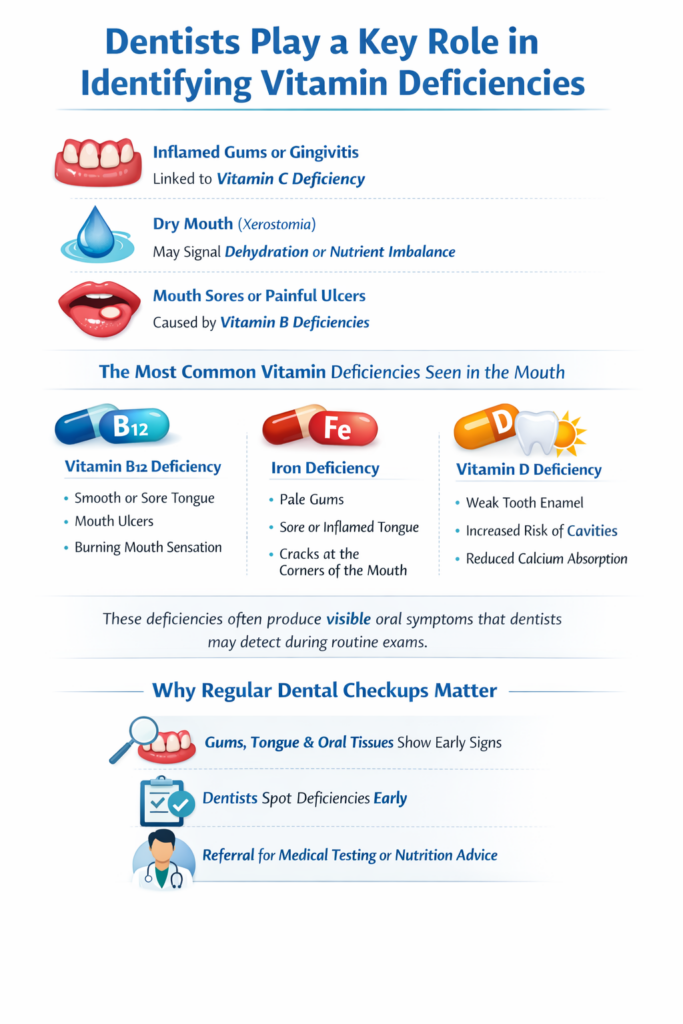
Dentists are not only concerned with the health of your teeth and gums. They are trained to look for signs that could indicate underlying health problems. Many vitamin deficiencies, such as B12, iron, and vitamin D, can show up in the mouth. These deficiencies can cause symptoms that may be visible during your dental exam.
Source: ProvidentDentistry
When you visit a dental professional like Modern Dentistry of Jupiter, they not only clean and examine your teeth but also check for signs of oral health issues that may be related to your diet and overall well-being. For example, they might notice a patient with inflamed gums or mouth sores, which could point to a deficiency in certain vitamins, such as vitamin C or B12.
Common signs dentists look for that could indicate a vitamin deficiency include:
- Inflamed gums or gingivitis can sometimes be linked to a lack of vitamin C.
- Dry mouth, or xerostomia, might point to dehydration, which can also be related to a lack of hydration or certain nutrients.
- Mouth sores or painful ulcers could be caused by vitamin B deficiencies, such as B12 or folate.
If your dentist spots any of these signs during your routine check-up, they might suggest that you get a full blood workup or visit your primary care physician for further investigation.
What Your Tongue Can Reveal About Your Health
It may surprise you to learn that your tongue can reveal a lot about your overall health. It’s often called the “mirror of the body” because it can show signs of many health conditions, including vitamin deficiencies. The appearance of your tongue can tell your dentist in Jupiter a lot about what’s going on inside your body.
Different Tongue Appearances and What They Mean:
- Glossitis (Inflammation of the Tongue): If your tongue looks swollen, smooth, and red, it might be glossitis, which is often a sign of a B12 deficiency. The inflammation can cause discomfort and may affect your ability to eat or speak normally.
- White Coating: A white coating on the tongue can indicate a number of conditions. It’s often seen in oral thrush, which is a fungal infection, but it can also be a sign of dehydration or a B12 deficiency. If you’ve been feeling a bit run-down or experiencing dry mouth along with a white coating, it’s a good idea to speak with your dentist.
- Red or Smooth Tongue: If your tongue appears red and smooth, almost like it’s stripped of its texture, it could be a sign of iron or folate deficiency. The tongue may look shiny, and this is often accompanied by other symptoms like pale skin and fatigue.
These symptoms may seem subtle at first, but with regular check-ups at Modern Dentistry of Jupiter, your dentist can detect these early signs and recommend the right steps to take, which might include further testing for vitamin levels.
The Most Common Vitamin Deficiencies Detected in the Mouth
While it’s important to note that only a physician can confirm a vitamin deficiency through blood tests, your dentist is often the first to spot signs during your routine check-up. Here are the most common vitamin deficiencies that show up in the mouth:
Vitamin B12 Deficiency
Vitamin B12 plays a vital role in the production of red blood cells and the maintenance of nerve function. A lack of B12 can lead to symptoms such as mouth sores and glossitis. Patients with B12 deficiency may also experience fatigue, weakness, and irritability.
Regular dental visits can help identify these early signs and prompt you to seek further evaluation from your primary care provider.
Iron Deficiency
Iron is essential for producing hemoglobin, which helps carry oxygen in the blood. When you’re deficient in iron, your tongue may appear smooth or pale. Other common signs include brittle nails and fatigue.
In more severe cases, iron deficiency can lead to pica, the craving for non-food items like dirt or ice. Early detection during dental visits can help you address the issue before it leads to more serious health concerns.
Vitamin D Deficiency
Vitamin D is essential for strong bones and teeth. It helps your body absorb calcium, which is necessary for healthy teeth. A deficiency in vitamin D can lead to gum disease and tooth decay.
As vitamin D also plays a role in preventing infections, a lack of it can also make your body more susceptible to oral infections.
Folate Deficiency
Folate (vitamin B9) is vital for cell division, and it helps your body produce healthy red blood cells. Folate deficiency often results in sores on the tongue and swelling.
It can also lead to other symptoms like irritability, weakness, and anemia. If you’re experiencing these symptoms, it’s important to talk to your healthcare provider to get your folate levels checked.
When to Seek Advice from Your Dentist
If you notice any unusual changes in your mouth or tongue, it’s a good idea to consult with your dentist. Here are some signs that indicate it may be time to schedule a check-up at Modern Dentistry of Jupiter:
- Sores or ulcers that don’t heal
- Pain or swelling on your tongue or gums
- Chronic dry mouth that doesn’t go away with drinking water
- Changes in taste or a persistent metallic taste
- Pale or smooth tongue that doesn’t improve
These symptoms could be linked to vitamin deficiencies, so it’s important to get them checked out. Your dentist in Jupiter can identify early signs of nutrient deficiencies and refer you to the right specialist for further testing. Remember, catching a deficiency early can prevent more serious health issues down the line.
How to Support Your Oral and Overall Health
Maintaining a healthy mouth is essential to overall health. Here are some tips to ensure you’re supporting your body with the nutrients it needs:
Healthy Diet Tips
A well-balanced diet is essential for supporting both oral and overall health. Include leafy greens, nuts, seeds, and lean meats in your diet. These foods are rich in essential vitamins and minerals, including vitamin B12, folate, iron, and vitamin D.
Proper Oral Hygiene
Maintaining a healthy smile is crucial. Brush your teeth twice a day, floss regularly, and visit your dentist for routine check-ups. Proper oral hygiene helps prevent gum disease and tooth decay, and it’s essential for overall health.
Supplements
If you suspect you’re not getting enough nutrients from food, your dentist or healthcare provider may recommend taking supplements. However, always consult a professional before starting any supplementation, as too much of certain vitamins can be harmful.
Your dentist can do more than just check your teeth. They can help spot signs of vitamin deficiencies that may affect your overall health. By regularly visiting Modern Dentistry of Jupiter, you can ensure that your teeth and gums are healthy, and you’re taking proactive steps to maintain your overall well-being.
If you’ve noticed any unusual signs in your mouth, don’t wait. Schedule an appointment with us today to get the care you need and ensure a healthier, happier smile.
People Also Ask
What does a smooth tongue indicate?
A smooth tongue may be a sign of an iron or folate deficiency, often accompanied by fatigue or pale skin.
How can a dentist help with vitamin B12 deficiency?
Dentists may notice a swollen or smooth tongue, a sign of B12 deficiency, and recommend seeing a doctor for further testing.
What does a white coating on the tongue mean?
A white coating can indicate dehydration, oral thrush, or a vitamin B12 deficiency. It may require further evaluation by a dentist or physician.
Why is my tongue red and swollen?
Red, swollen tongues may point to a vitamin B12 or iron deficiency. A dentist can recommend further tests to confirm the cause.
How can I prevent vitamin deficiencies?
Eat a balanced diet rich in vitamins B12, D, and iron. Incorporate leafy greens, lean meats, nuts, and seeds to support oral and overall health.